
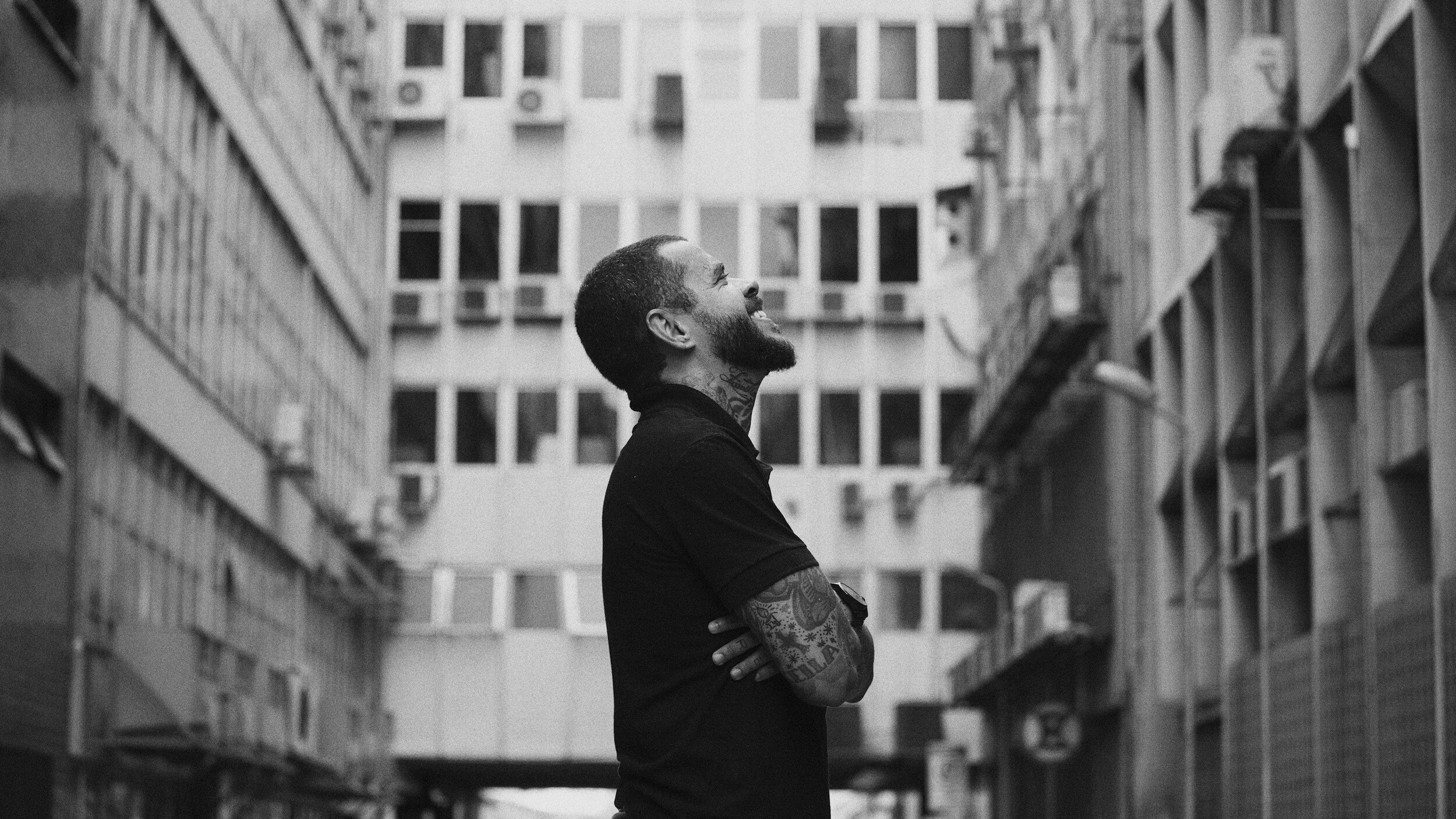
Therapy for Men in Santa Rosa
Helping Men Build Confidence and Find Strategies for Relationship Success

You Want to Show Up Differently in Relationships, But Don't Know How
You want stronger relationships, but you often find yourself overthinking what to say, doubting yourself, or shutting down when emotions run high.
You may worry about being a burden, struggle to ask for what you need, or feel frustrated that your relationships aren't as close or fulfilling as you'd like them to be.
Therapy can help you build the skills and confidence to show up differently.
It's Hard to Believe You're Enough Without Proving Yourself
Many men I work with spend a lot of energy trying to earn connection.
You worry that if people really knew you, they might find you annoying, burdensome, or not particularly interesting. So instead of asking for what you need, you focus on what you can do for others.
You're dependable. Helpful. Productive.
You handle the task. Solve the problem. Offer the favor.
Those things make sense because they're concrete. They give you a role.
But underneath it all, you may wonder:
"If I wasn't useful, would people still want me around?"
Emotional Conversations Feel Like Walking Into a Minefield
When relationships move beyond logistics and into feelings, things get harder.
Your mind starts racing:
What if I say the wrong thing?
What if I make it worse?
What if I'm blamed?
What if I sound aggressive?
What if I'm wrong?
It’s equally terrifying and frustrating. So, you become defensive, shut down, apologize just to end the conversation, or struggle to find any words at all, even when you care deeply about the person sitting across from you.
Distance Starts to Feel Safer Than Connection
When emotional situations feel overwhelming, pulling away can seem like the safest option.
You keep conversations surface-level.
You avoid bringing up your own needs.
You wait for things to calm down instead of addressing them.
The problem is that the relationships you care about begin to feel increasingly distant.
You want connection, but the strategies you've learned to protect yourself often end up creating more isolation.
Reclaim Control, Develop Connections, and Feel Better
You've thought about therapy before, but maybe it never felt like the right fit. You don't want endless talking without direction.
You want practical strategies that help you communicate more effectively, handle difficult emotions without shutting down, and build stronger relationships without feeling like you're pretending to be someone you're not.
You're willing to give therapy a shot—you just want someone who understands where you're coming from and can help you make meaningful changes.


Expert Guidance for Men's Relationship Concerns in Santa Rosa, Sonoma County and Online in California

Angela Sitka, MA, LMFT, licensed psychotherapist specializing in therapy for men
I’m Angela Sitka, a Licensed Marriage and Family Therapist who specializes in helping men build confidence in relationships through stronger communication skills, emotional intelligence, and self-understanding.
My clients often tell me they feel relieved after their first session because they finally have a place where they can talk openly without being judged or criticized.
My approach is practical and collaborative. I provide straightforward feedback, teach concrete skills, and guide the process so you're not left wondering what you're supposed to do in therapy.
Here's What Working Together Looks Like
-
We start with my Relationship Values Reflection Guide, a structured tool I’ve designed to help men identify what's working in their relationships, what's getting in the way, and what they want to improve.
Instead of staring at a blank slate and wondering what to talk about, you'll have guided prompts that help us quickly identify meaningful goals and create a plan for moving forward.
-
Once we have clarity on what you'd like to change, we'll create a personalized plan based on your goals and the patterns that are getting in the way.
While every client's therapy looks a little different, these are some of the most common areas we focus on:
Communication Skills
Many men tell me they know what they think but struggle to put it into words, especially during difficult conversations.
Together, we'll work on expressing your thoughts, needs, and boundaries more clearly while building confidence in handling conflict, emotional conversations, and relationship challenges.
We practice these skills in session so you're not left trying to figure it out on your own.
Managing Overthinking and Self-Doubt
When your mind is constantly analyzing conversations, second-guessing decisions, or worrying about saying the wrong thing, it can be difficult to take action.
I teach practical skills from Acceptance and Commitment Therapy (ACT) that help you respond differently to overthinking, self-criticism, and spiraling thoughts so they have less influence over your decisions and relationships.
Understanding Your Emotions
Many men have spent years learning how to push emotions aside, suppress them, or treat them as problems to solve.
In therapy, you'll learn how emotions show up in your body, how to recognize them sooner, and how to use them as valuable information rather than something to fear or avoid.
This often leads to greater self-awareness, better communication, and stronger emotional connection with others.
Clarifying What Matters Most
It's difficult to build a meaningful life or healthy relationships when you're unclear about what you stand for, what you need, or what kind of person you want to be.
Through guided reflection exercises, we'll identify the values, priorities, and relationship standards that matter most to you.
These become a foundation for making decisions with greater confidence and intention.
-
Now, we practice in real life and troubleshoot what gets in the way.
Knowing what to do and actually doing it are often two different things.
Together, we'll identify the obstacles that show up when you try to make changes in your relationships. Whether it's overthinking, self-doubt, avoidance, or fear of discomfort, we'll work through those barriers so you can continue building momentum outside of therapy.
I use principles from Acceptance and Commitment Therapy (ACT) to help you stay focused on what matters most, even when difficult thoughts and emotions show up along the way.
You Pick Your Therapy Option
Weekly Therapy
Weekly 50-minute sessions provide a structured space to work through challenges as they arise while building new skills over time. This option is a good fit if you want ongoing support, accountability, and a consistent place to process what's happening in your relationships and life.
Many clients choose weekly therapy when they want steady progress, time to practice new skills between sessions, and support navigating situations as they come up.
Therapy Intensives
The intensive begins with a 90-minute intake session where we identify your goals and create a plan for our work together. We then meet for a 5-hour intensive therapy day, allowing us to dive deeply into the patterns, challenges, and skills that are most relevant to your situation. After the intensive, we meet for a 45-minute follow-up session to review what you've learned, discuss your progress, and help you integrate those insights into your daily life.
Not Sure Which Option Is Right for You?
That's okay. During our consultation call, we can talk about your goals, what you're hoping to get out of therapy, and which option makes the most sense for your situation.
Get Connected with a Therapist specializing in Men’s Issues
You’ve already tried fixing it on your own, and if your problems had easy solutions, you would have found them already.
If you are ready to take the next step in improving your relationship, contact me for a free 15-minute phone consultation. My online schedule is available to book at your convenience.

Angela Sitka, LMFT, licensed psychotherapist in Santa Rosa